



Long-Term Value Creation Through Specialist Asset Management

About Us
Duxton is an alternative asset management firm specialising in Australian agriculture and hospitality. We have spent over 15 years building a track record of delivering real asset investment solutions for sophisticated investors.

Our Expertise
We bring deep specialist knowledge across agricultural investments, emerging market equities and hospitality assets. Our active management approach and on-the-ground experience allow us to identify and capitalise on opportunities that others overlook. Duxton also provides Institutional Mandates, either rules-based or with investors involved in the decision making process.

Our Portfolio
Duxton’s portfolio spans horticulture, viticulture, apiculture, cotton, cropping/livestock, and hospitality, along with Emerging Market Equities. Each asset is actively managed with a focus on operational excellence, sustainable practices and long-term value creation.

Experienced Team
The Duxton team brings together specialists across investment management, agriculture, law, finance and sustainability — united by a shared culture of collaboration and a commitment to delivering exceptional outcomes for our investors.
Real assets — farmland, water, hospitality venues — offer investors genuine diversification and enduring value. Duxton gives sophisticated investors access to these opportunities, backed by the expertise to make the most of them.
Australian Investment Opportunities Across Agriculture and Hospitality
Australia’s agricultural and hospitality sectors represent some of the most compelling real asset opportunities available to investors today. Duxton combines on-the-ground expertise with rigorous investment discipline with the aim to deliver sustainable returns across both sectors.

~$780M
Assets Under Management as at 30 March 2026
~1,200
Staff Across the Duxton Group
Horticulture
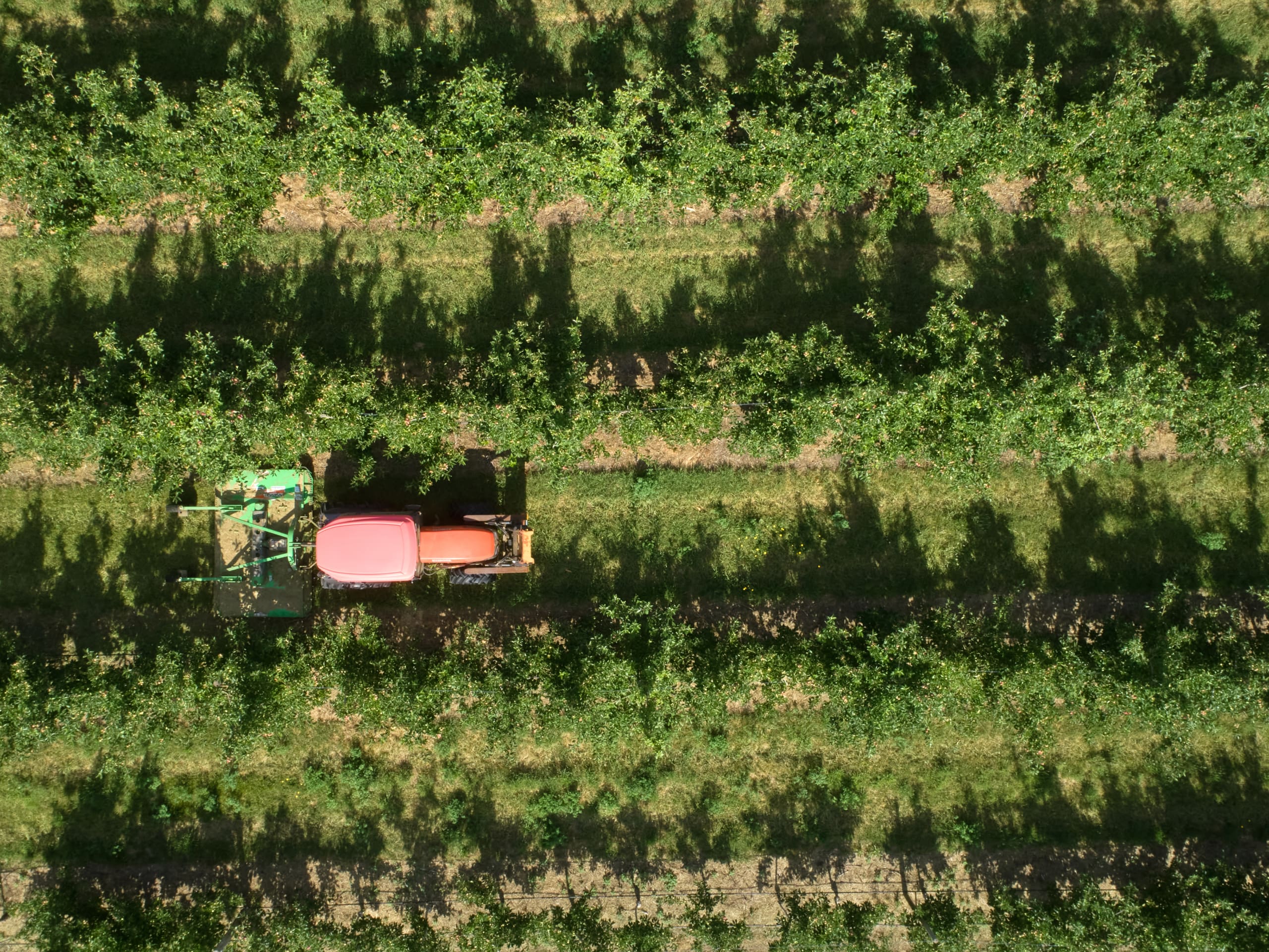
Permanent horticulture is one of the fastest growing and highest-value subsectors of the Australian agricultural economy. In the context of commercial agricultural production, the term often refers to the production of commodities which are grown on trees in permanent organised orchards, including stone fruits, apples, citrus, avocados, and tree nuts like almonds, macadamias, walnuts and pistachios.
These assets typically take time and capital to establish and develop before they begin yielding a commercial crop. Once they reach productive maturity, horticultural assets are characterised by relatively stable inputs and outputs which create predictable cash flows, and usually carry high land valuations that reflect the time, effort and capital invested.
Duxton Farms currently has three horticultural projects:
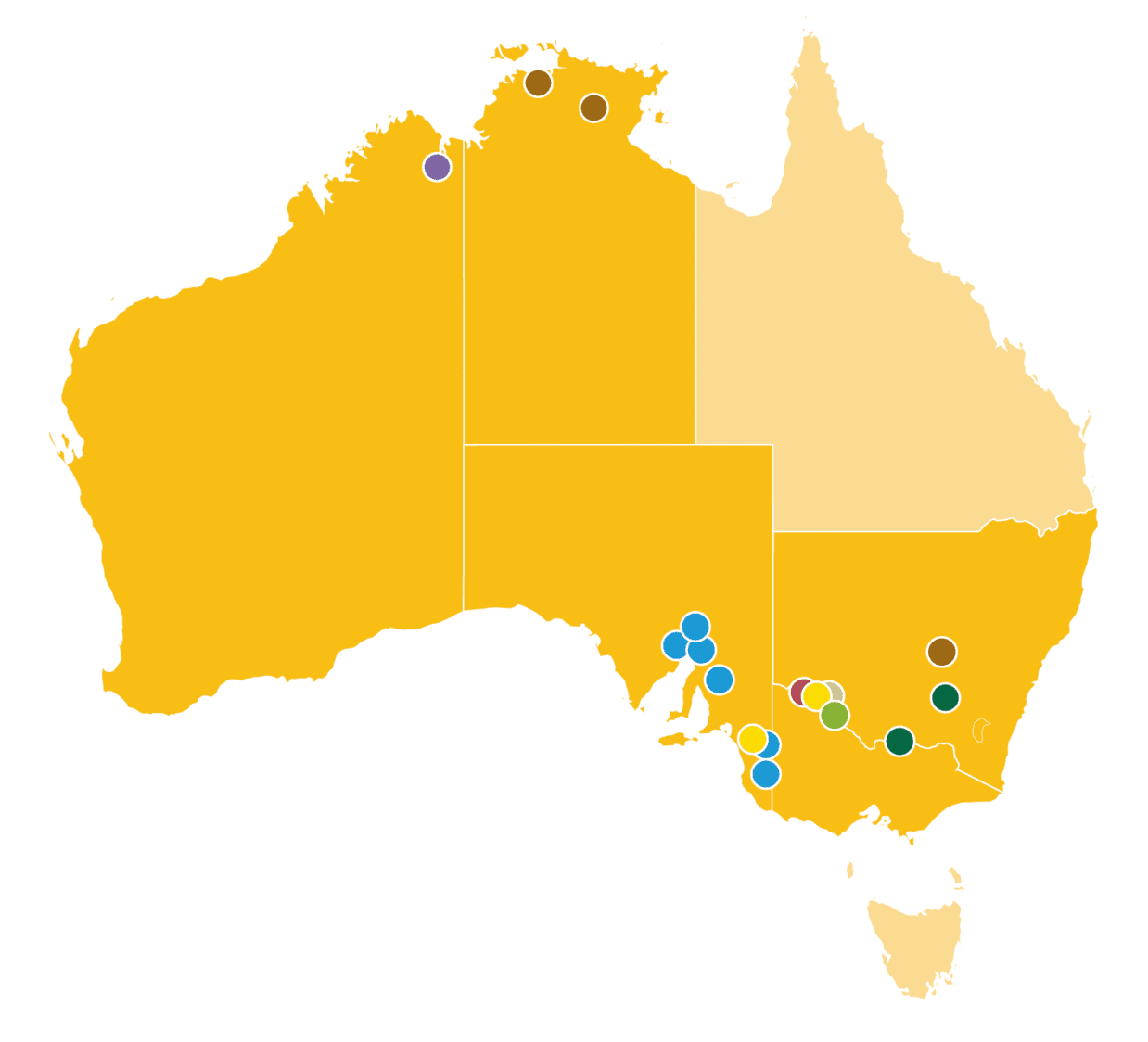
One: The Nangwarry and Loxton apple orchards, which are mature operating assets that are responsible for approximately 20% of South Australia’s apple production.
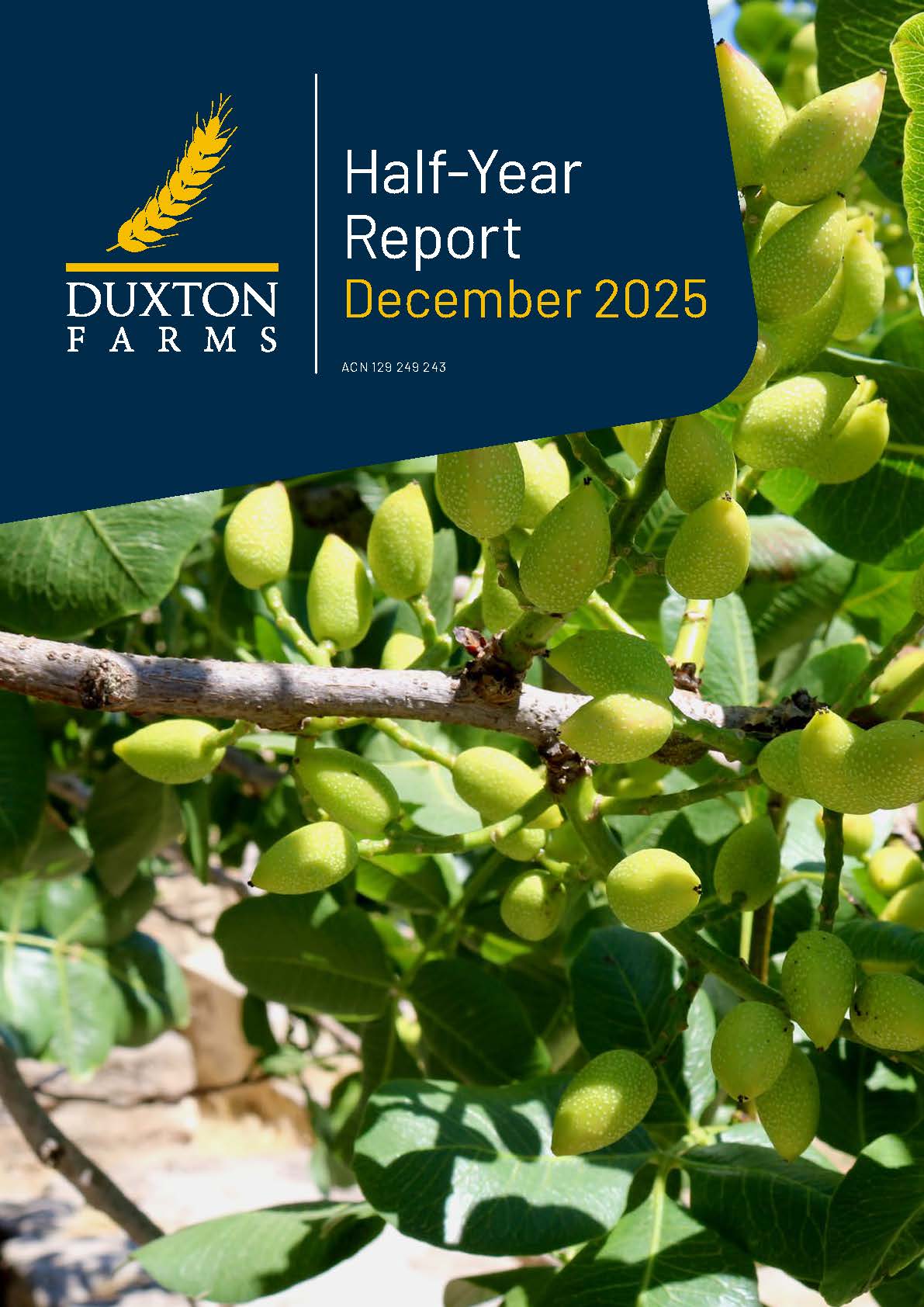
Two: The greenfield Piambie pistachio development, which was established in 2023 is one of the largest and most rapidly developed assets of its kind in Australia with over 450 hectares planted and another 250 hectares suitable for development.
Three: The greenfield Yarramundee walnut development, which was established in 2023 with over 160 hectares planted and another 400 hectares suitable for development.
Viticulture
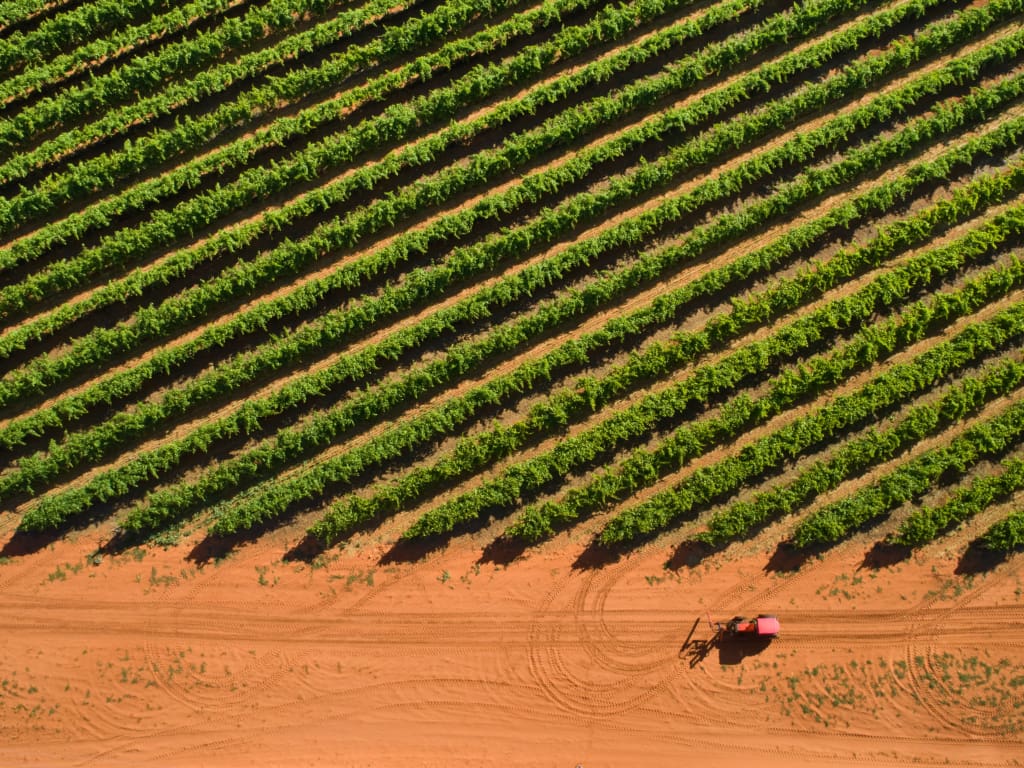
Viticulture refers to the cultivation of vines for the production of grapes, which are commonly split into either table grapes for fresh consumption, wine grapes to be crushed and fermented to create the alcoholic beverage, or dried grapes which are commonly referred to as raisins, sultanas or currants. Australia is well known for its viticultural pedigree, particularly with regards to wine and table grapes, both of which are globally renowned for their quality. While dried grapes used to be an important part of this mix, the bulk of domestic demand is now met with imports from Turkey and the USA.
Vineyards take time and capital to establish and develop before they begin yielding a commercial crop. Once they reach productive maturity, vineyards are characterised by relatively stable inputs and outputs which create predictable cash flows, and usually carry high land valuations that reflect the time, effort and capital invested.
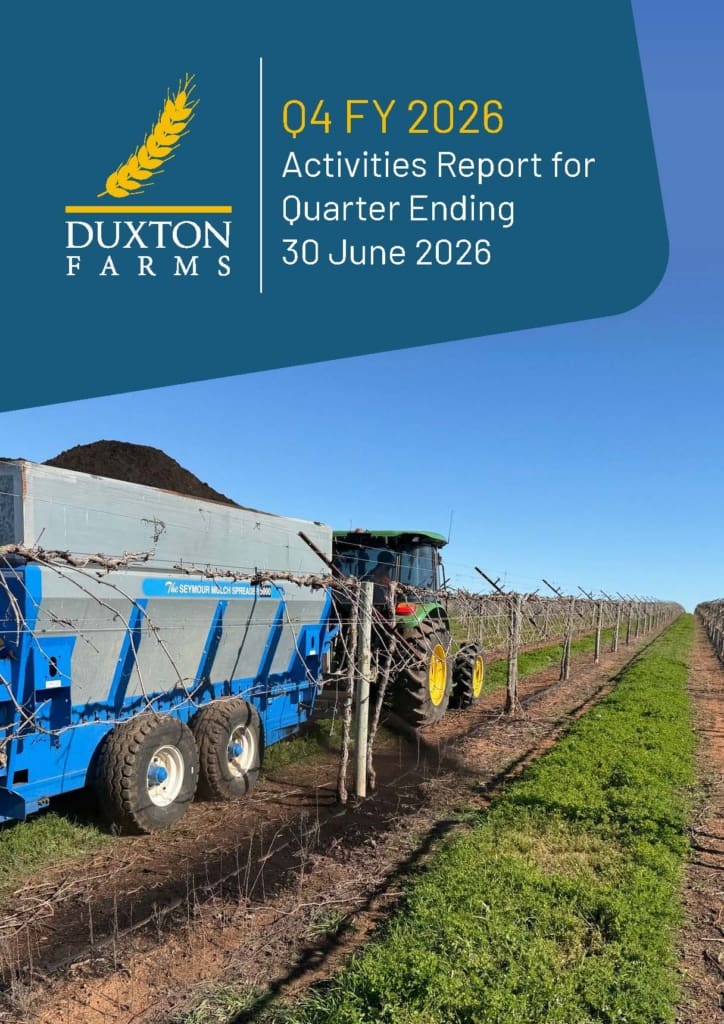
Duxton Farms owns two dried grapes vineyards with 603 hectares under vine at its Euston and Wemen sites, making it the second-largest grower in the country as of 2025. These assets are currently in production and are expected to reach commercial maturity in the next five years, at which point the Company may account for close to a third of the national crop. This makes a meaningful difference in the country’s trade balance for dried grapes, making Duxton Farms a key part of the domestic supply chain and putting more local produce in the hands of Australian consumers.
Cropping and Livestock
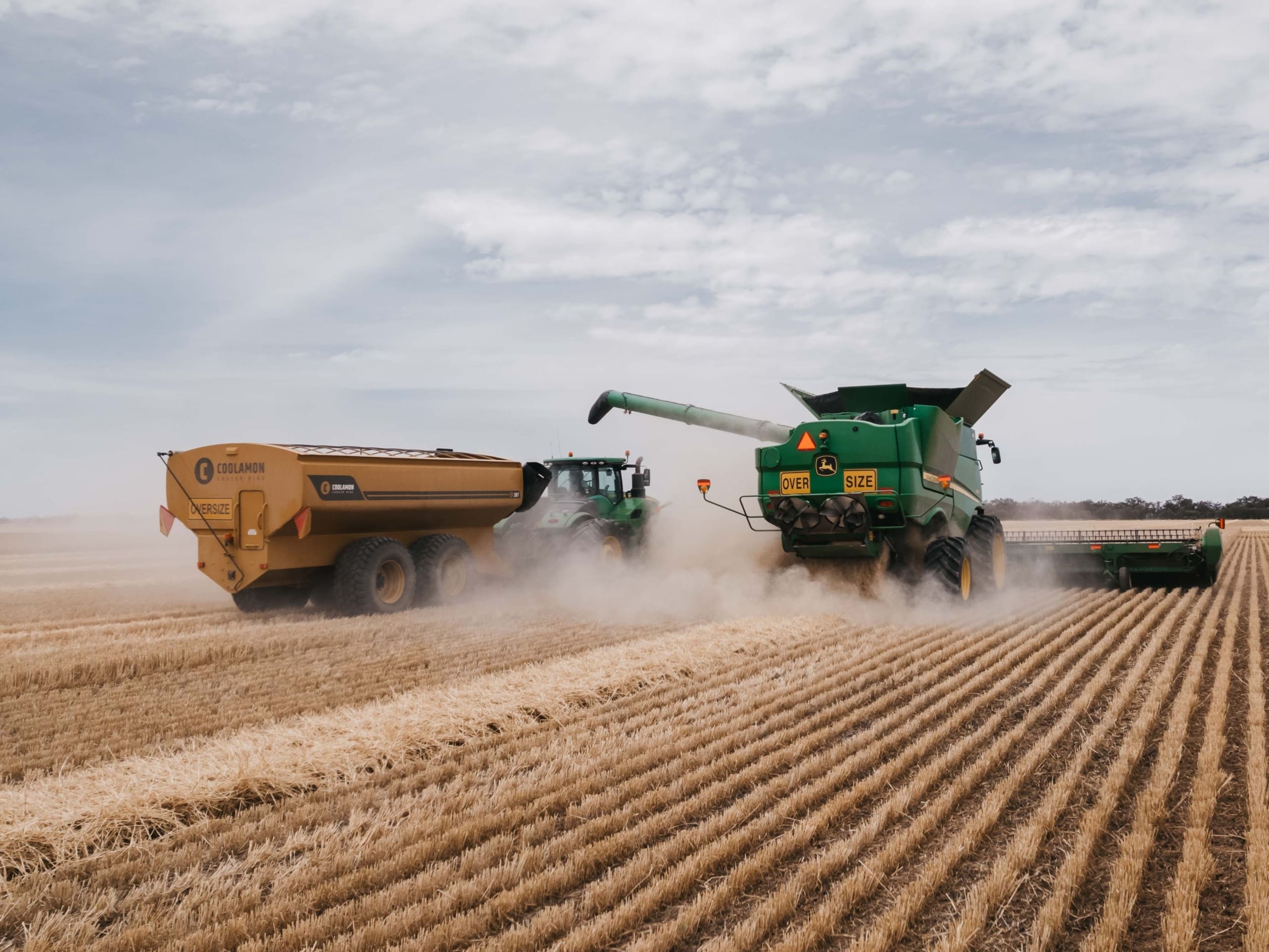
Annual cropping is what many people picture when they think about agriculture: the cultivation of broadacre crops like wheat, barley, canola, legumes and cotton have underpinned the Australian agricultural economy for most of its modern history, and remain core industry subsectors today. In annual cropping production systems crops are planted, grown and harvested all in one season, with many areas of Australia able to host two cropping cycles each year; one for winter crops like cereals and oilseeds, and/or one for summer crops such as cotton and sorghum.
Australian broadacre cropping operators often diversify their businesses with livestock programmes (largely cattle and sheep) given that they share many of the same core inputs. Both cropping and livestock are relatively volatile industries which experience significant returns to scale but are risky as small operations due to a high dependence on rainfall.
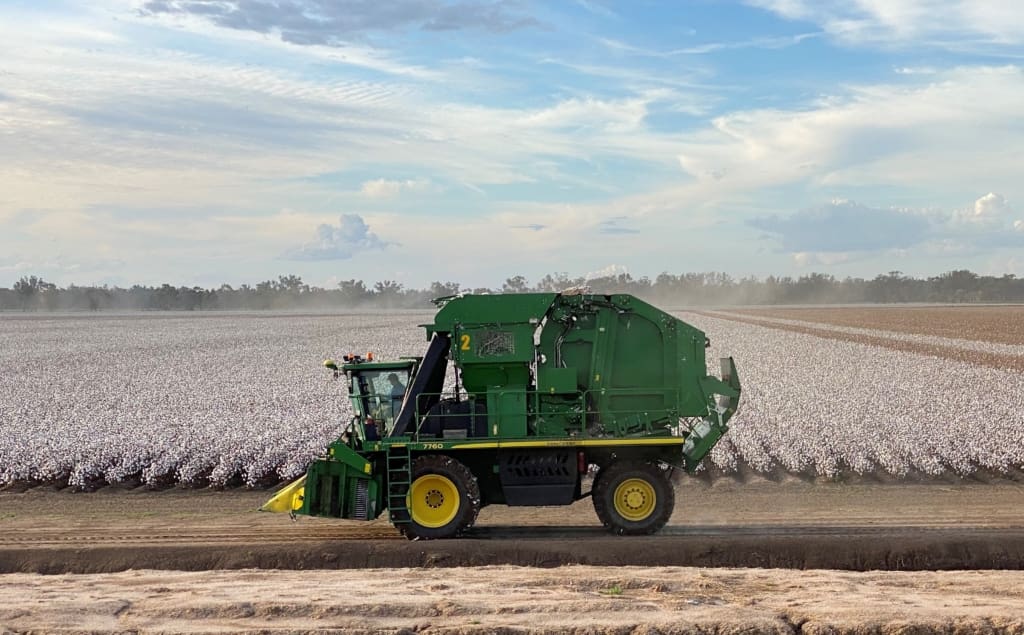
Duxton Farms began its journey as an ASX-listed business with a portfolio of traditional mixed farming assets focused on cropping and livestock. Although it has shifted its investment strategy away from broadacre cropping and livestock, it does still retain exposure through its assets in New South Wales (some of which it is in the process of divesting), and through its development projects in Northern Australia at Mountain Valley, Wildman and the Ord. Duxton Farms manages over 170,000 hectares to annual cropping and livestock grazing production systems across New South Wales, the Northern Territory and Western Australia.
Apiculture
Apiculture is the subsector of agriculture dealing with beekeeping, crop pollination and honey production. Although apiculture is regarded as a small and highly specialised part of the indsutry, it underpins a large part of the national agricultural economy. About a third of Australia’s total cropping output is dependent on pollination from bees, and commercial beekeepers play a critical role in ensuring a regular food supply. Although Australia is the world’s fourth-largest exporter of honey, a large portion of the honey consumers see on shelves is imported from markets like China, New Zealand and Brazil.
Beekeepers generally place their hives on commercial horticultural orchards and/or native vegetation for pollination in spring, harvest honey in the autumn, and move the hives to safe storage sites in winter. Honey and beeswax are produced by bees during and after pollination, and are important revenue streams for Australia’s beekeepers. Apicultural operations are highly mobile and asset-light relative to horticultural, viticultural, cropping and livestock operations, and are more dependent on diligent, thoughtful and skillful management than on seasonal conditions. When done correctly, businesses in apiculture enjoy relatively consistent cash flows and strong earnings.
Duxton Farms is one of Australia’s largest honey producers and providers of apicultural services, including pollination services, beehive broking and beehive auditing. We work with many of the country’s largest horticultural producers, and our own Fuzzy Bum brand is available in supermarkets as one of the best value (and we believe best-tasting) 100% pure Australian honey options for consumers. Duxton Farms is proud to produce 100% Australian honey, that does not use Corn Syrup or artificial sugar, and is free of antibiotics and harsh chemicals, which can harm bees and compromise honey integrity.
Varroa mite is well-established in Australia and has become endemic in the areas where Duxton Farms’ apiculture business operates. As such, Duxton Farms continues to work closely with the government, growers and beekeepers across all our beehive and pollination sits to limit the impact of Varroa mite on the Australian beekeeping industry.
We have built our apiculture business to adapt to the threat of varroa mite, investing heavily in industry-leading disease management systems and practices, making Duxton Farms one of the most adaptable and forward-looking participants in the industry.
Duxton Farms is continually monitoring for and managing the Varroa mites in line with best practice beekeeping. We comply with biosecurity requirements in each State in which we operate, and any movement of beehives is undertaken in compliance with government permit requirements.

Latest Updates
& Reports
Stay informed with Duxton Farms’ most recent financial results, investor updates, performance reports, and operational insights, in addition to corporate governance information and core charters and policies.
We also have a mailing list that investors can sign up to receive updates directly, and an enquiries inbox in case you have questions for the Company or its management.